Fun maths games for year 1
Kindergarten math is counting done properly: one number per object, the last number said is how many, and small numbers compared and combined. Shapes, patterns and 'which has more?' round it out. The win condition this year isn't speed — it's a child who trusts that counting works.
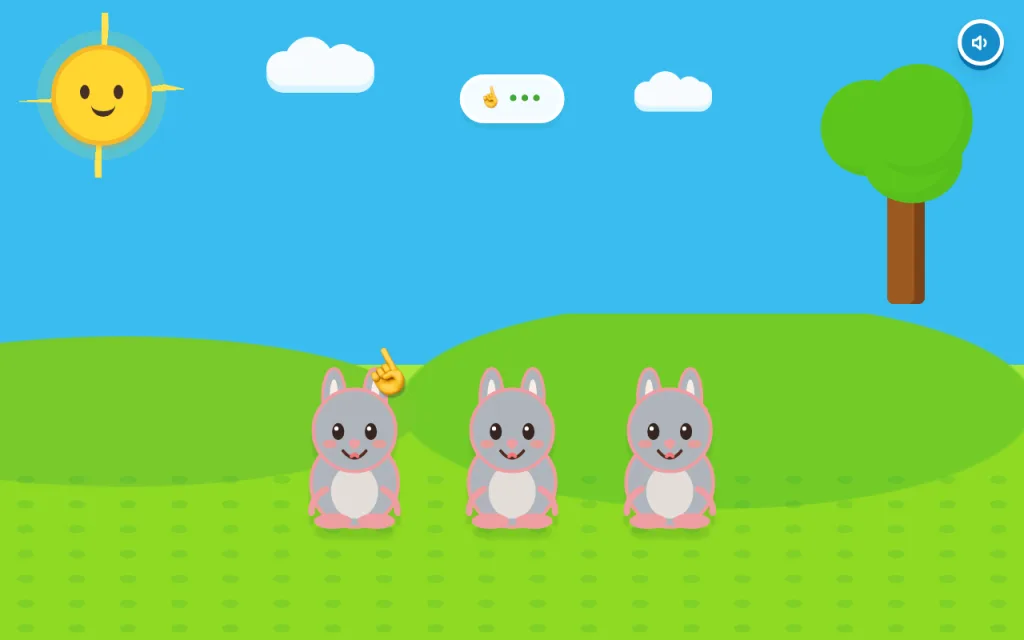 Counting CrittersEarly Mathematics · Ages 4-6
Counting tells how many: give each thing exactly one number, and the last number counted is the total.
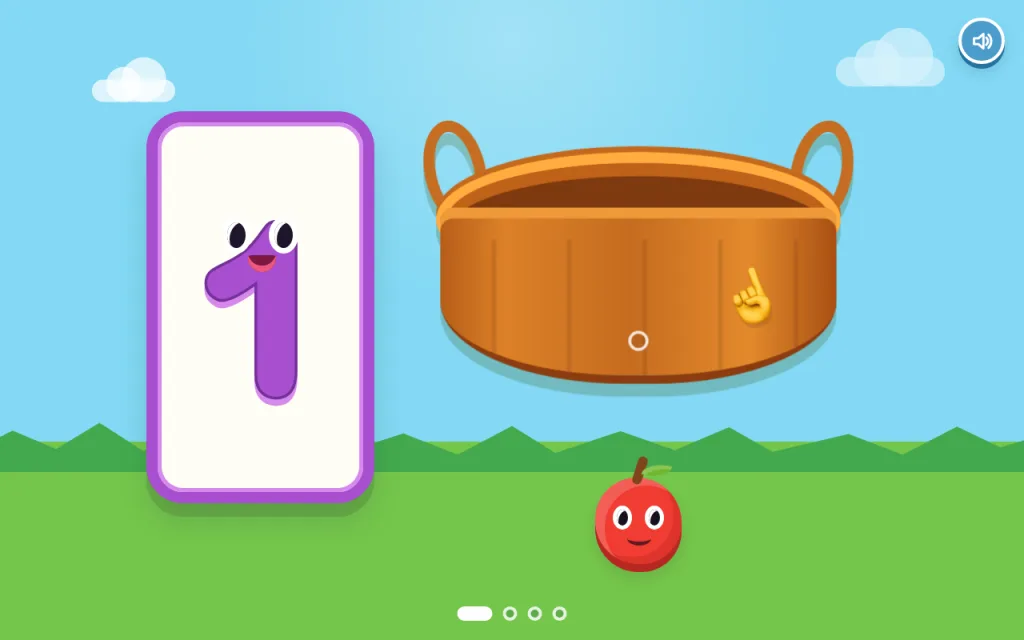 Number FriendsEarly Mathematics · Ages 4-6
Each numeral stands for an amount: the numeral 3 means three things.
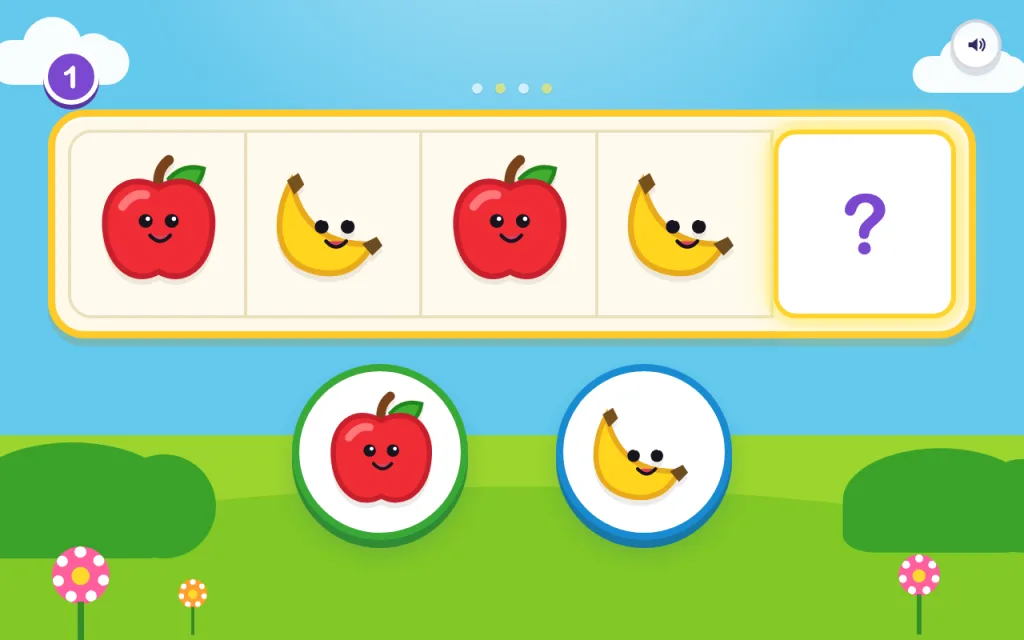 Pattern PartyEarly Mathematics · Ages 4-6
A pattern repeats; once you spot the repeat, it tells you what comes next.
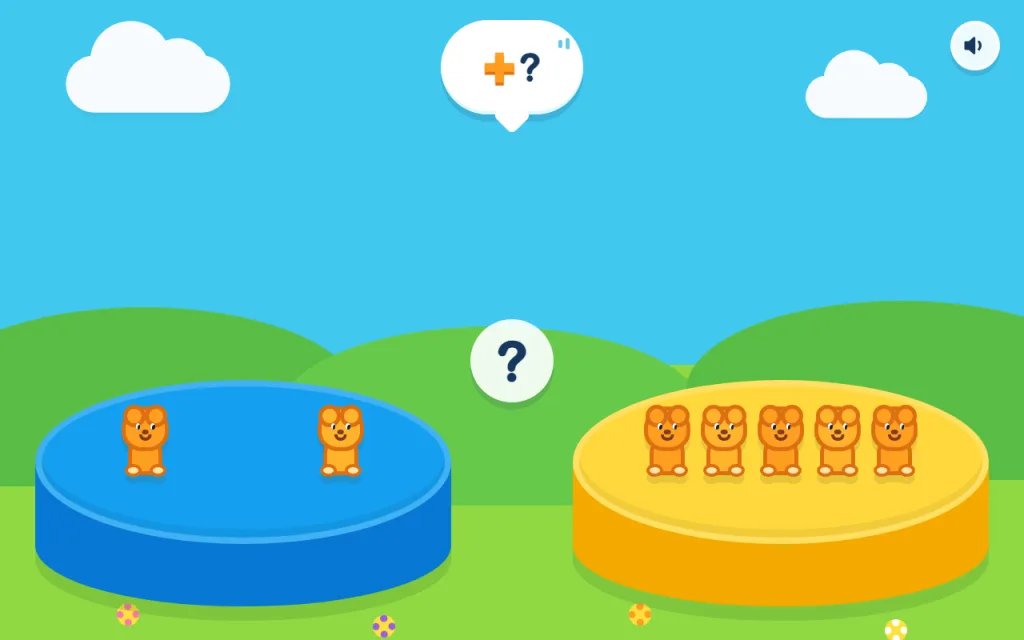 Which Has More?Early Mathematics · Ages 4-6
One group can have more, fewer, or the same number of things, and counting tells which for sure.
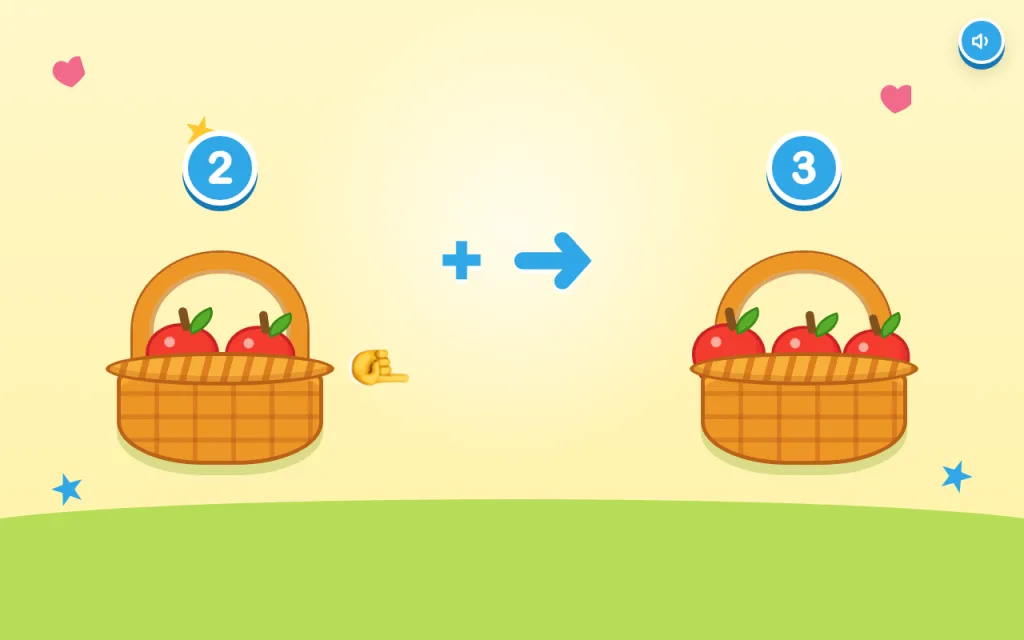 Apple AddMathematics · Ages 5-7
Adding means putting groups together and counting every object in the new whole group.
Clock QuestMathematics · Ages 5-10The short hand shows the hour and the long hand counts minutes around the clock; reading or setting both hands together makes one exact time.
Shape SpaceMathematics · Ages 5-10A shape keeps its identity when it turns, changes size, or appears as an everyday object; its straight sides and corners identify a 2D shape, while faces, edges, vertices, and curved surfaces identify a 3D solid.
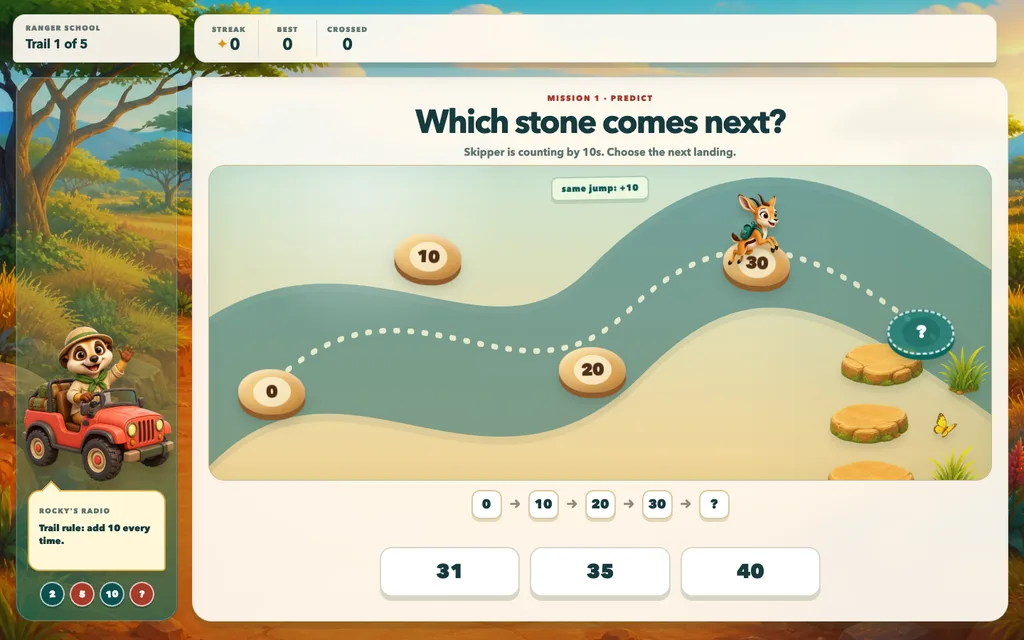 Skip Count SafariMathematics · Ages 5-9
Skip-counting makes equal jumps on the number line; each landing adds the same amount, so the number of jumps connects directly to multiplication.
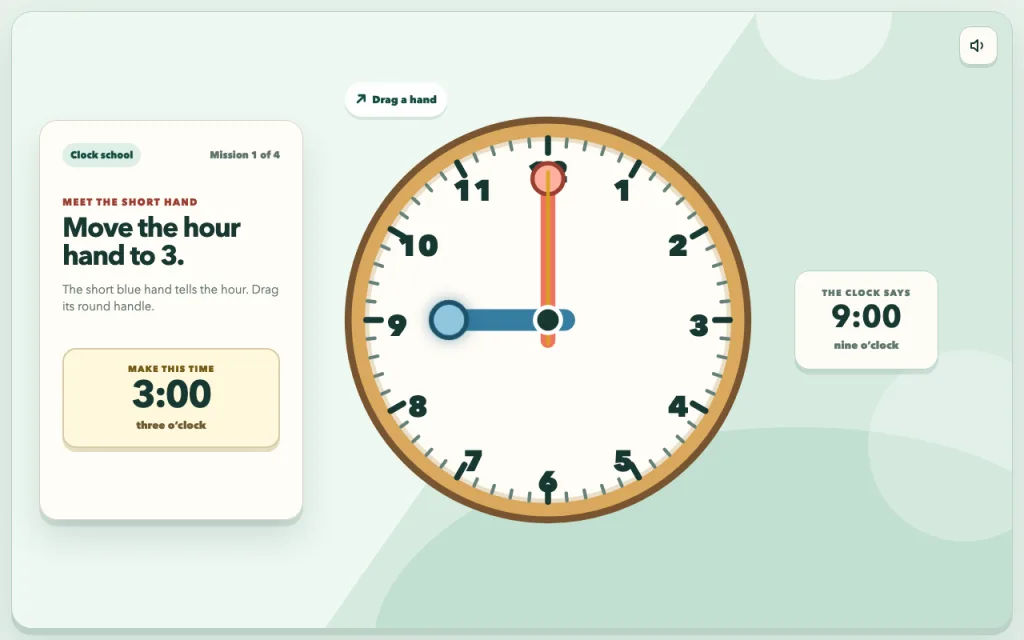 Clock WorkshopMaths · Ages 6-11
A clock’s short hand points to the hour and its long hand points to the minutes; reading both hands together tells the time.
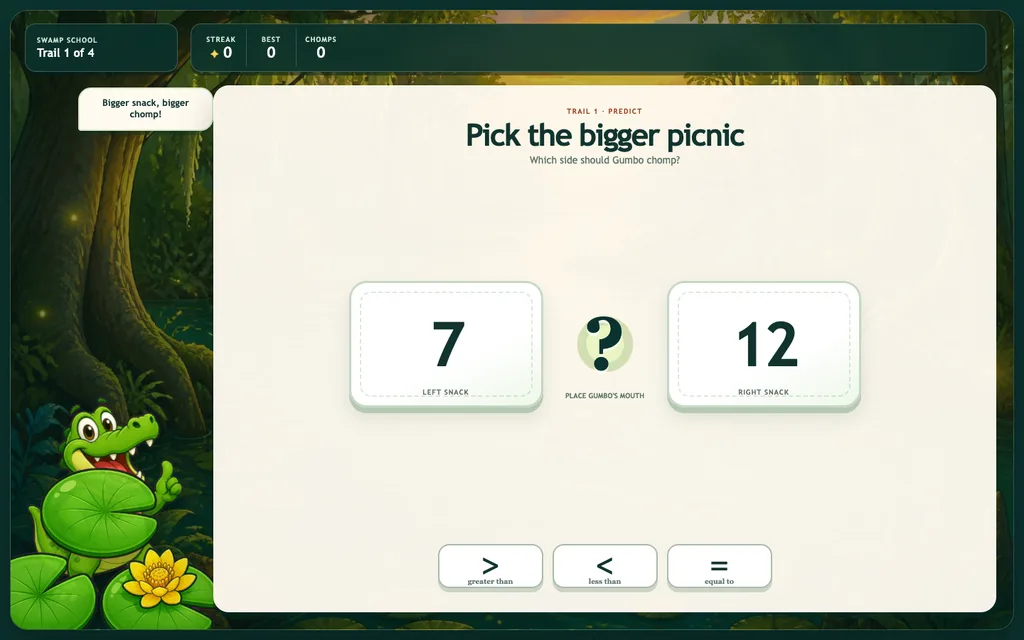 Gator ChompMathematics · Ages 6-10
The symbols > and < open toward the greater value, while = shows equal values; comparing place values lets us use the same relationship for whole numbers, decimals, fractions, and ordered sets.
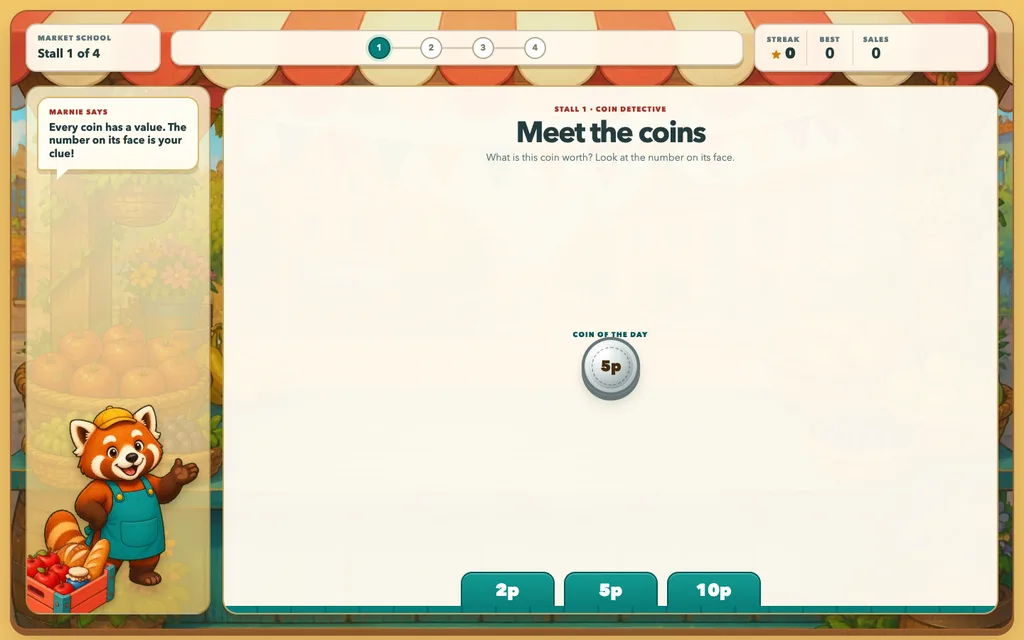 Money MarketMathematics · Ages 6-10
Money amounts are totals of coin and note values; exact payment matches a price, while change is the difference between what was paid and what it cost.
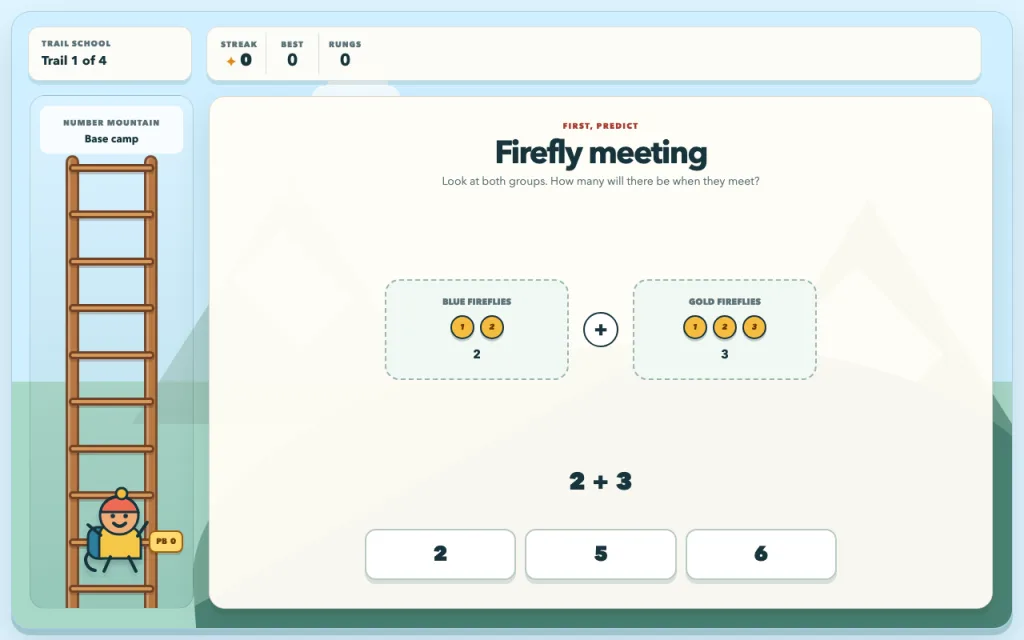 Number LadderMaths · Ages 6-11
Adding combines every member of two or more groups into one total; the groups change arrangement, but no members disappear.
Times Table ArenaMathematics · Ages 6-11A multiplication fact counts equal groups: a × b is a equal rows with b in each row, and the product is the total across every row.
Getting the most out of maths games at this age
- Ten focused minutes beats forty distracted ones — stop while it's still fun.
- Ask 'how did you know?' after a right answer, not just a wrong one. The explanation is where the math lives.
- If a game frustrates, drop down a year without comment. Confidence compounds faster than difficulty.
Common questions
What maths skills should year 1 learn?
Kindergarten math is counting done properly: one number per object, the last number said is how many, and small numbers compared and combined. Shapes, patterns and 'which has more?' round it out. The win condition this year isn't speed — it's a child who trusts that counting works.
Are these games free?
Every Ako lesson here runs in the browser, and your first one is completely free — no account, no card. A subscription unlocks the full catalog of 100+ lessons.
How are Ako lessons different from other learning games?
Ako — a voice AI tutor — is inside every game. He sees what your child does, asks for predictions before they act, and adapts his coaching to their age. Parents get a weekly note about what actually clicked.