Fun learning games for 5 year olds
At kindergarten age the goal is joyful firsts: counting that really works, letter sounds, patterns, and the habit of noticing. Every game here fits a 5-year-old's hands and attention span — short, chunky, and finished with a win.
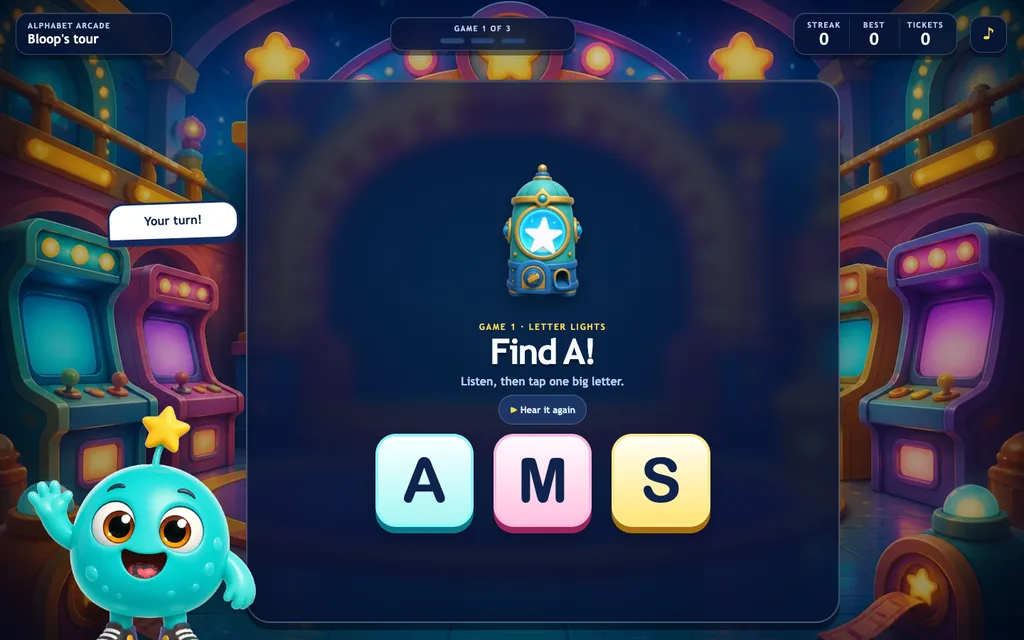 Alphabet ArcadeEnglish · Ages 4-6
A letter keeps its identity when it is uppercase or lowercase, and its sound helps us recognize words that begin with it.
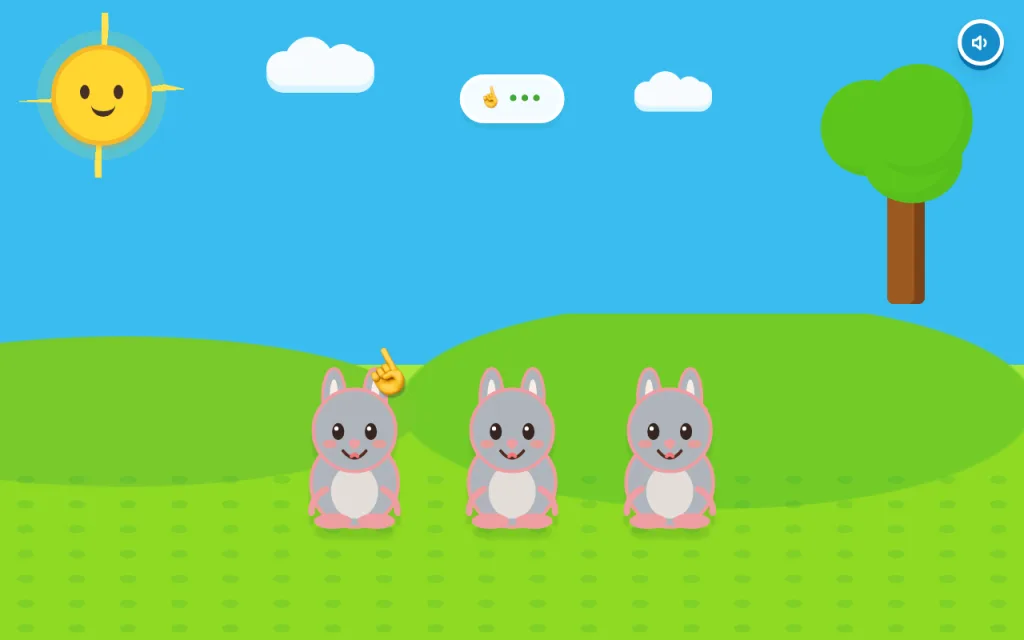 Counting CrittersEarly Mathematics · Ages 4-6
Counting tells how many: give each thing exactly one number, and the last number counted is the total.
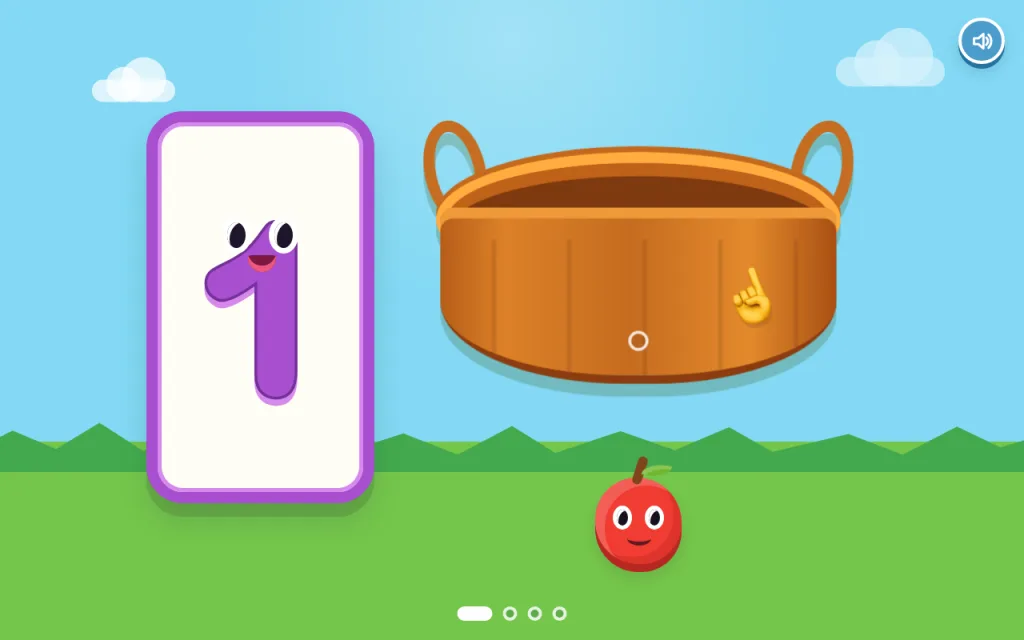 Number FriendsEarly Mathematics · Ages 4-6
Each numeral stands for an amount: the numeral 3 means three things.
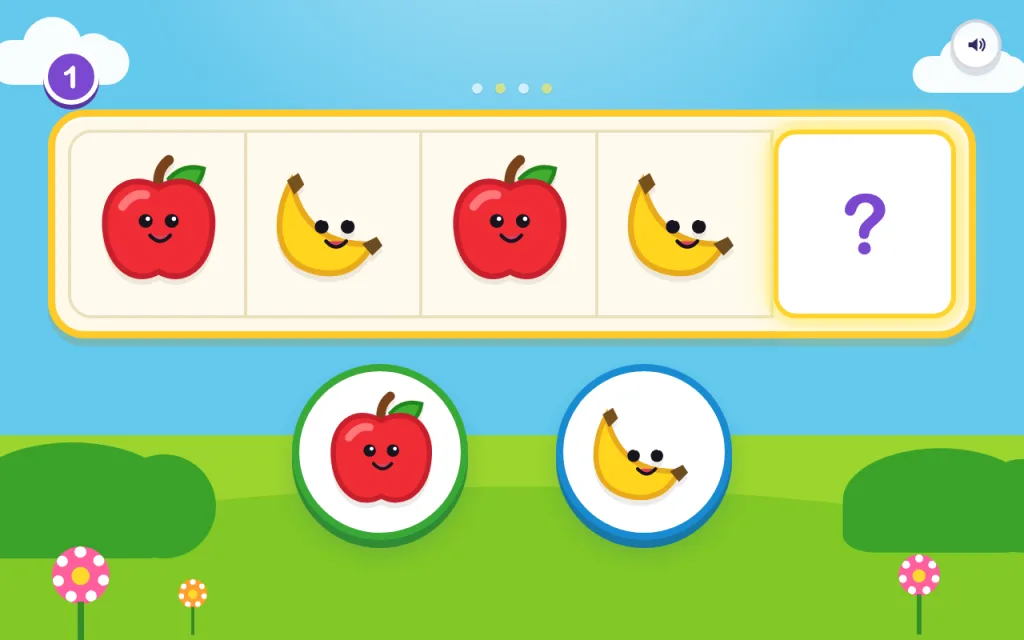 Pattern PartyEarly Mathematics · Ages 4-6
A pattern repeats; once you spot the repeat, it tells you what comes next.
Plant PartsScience · Ages 4-9Each plant part has a distinct job, and roots, stems, leaves, flowers, and seeds work with sunlight, water, and air to help the whole plant live, grow, and begin a new generation.
Sound BlenderEnglish · Ages 4-8A spoken word appears when every letter-sound or sound chunk is blended smoothly from left to right; the same ordered sounds can be segmented to build the written word.
Trace & RaceEnglish · Ages 4-7Clear handwriting grows from starting each stroke in the right place, moving in a steady direction, and following the strokes in order.
Weather WatchScience · Ages 4-9Weather clues such as clouds, temperature, wind, and repeating observations help us describe current conditions, prepare sensibly, and make simple forecasts that are predictions rather than promises.
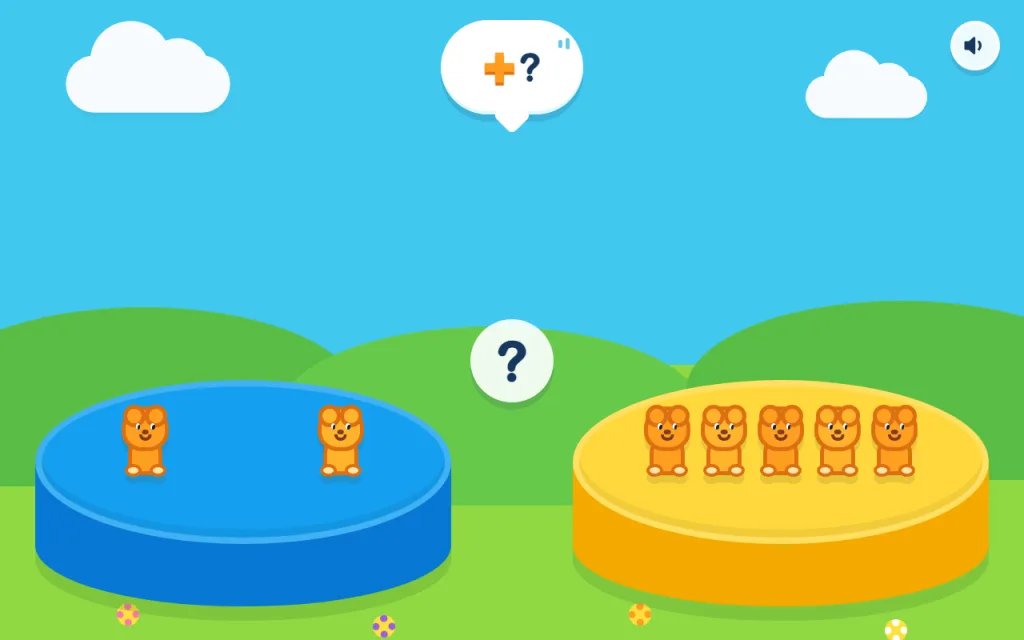 Which Has More?Early Mathematics · Ages 4-6
One group can have more, fewer, or the same number of things, and counting tells which for sure.
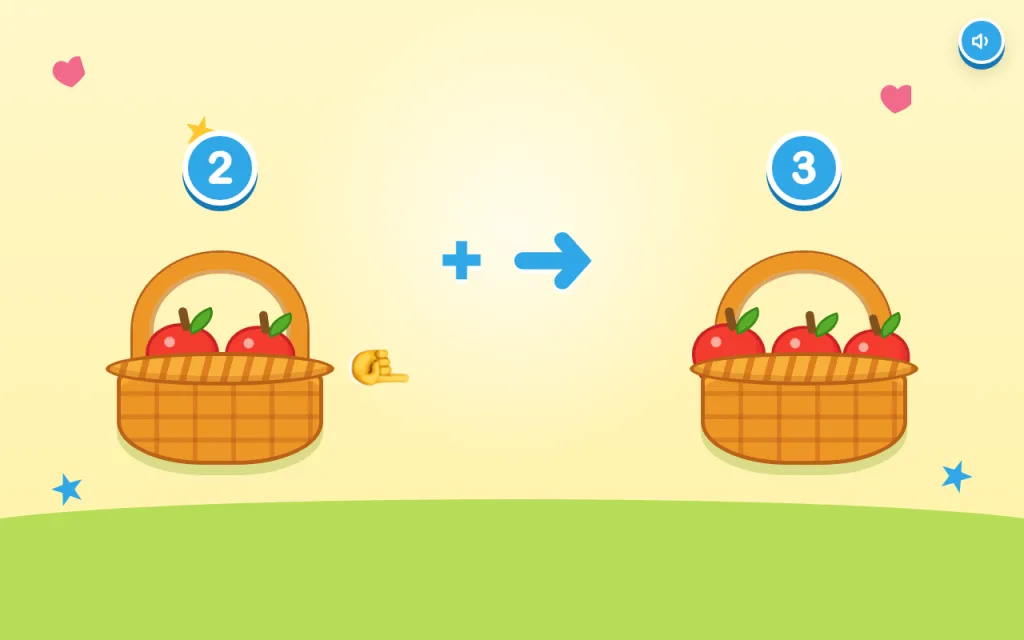 Apple AddMathematics · Ages 5-7
Adding means putting groups together and counting every object in the new whole group.
Clock QuestMathematics · Ages 5-10The short hand shows the hour and the long hand counts minutes around the clock; reading or setting both hands together makes one exact time.
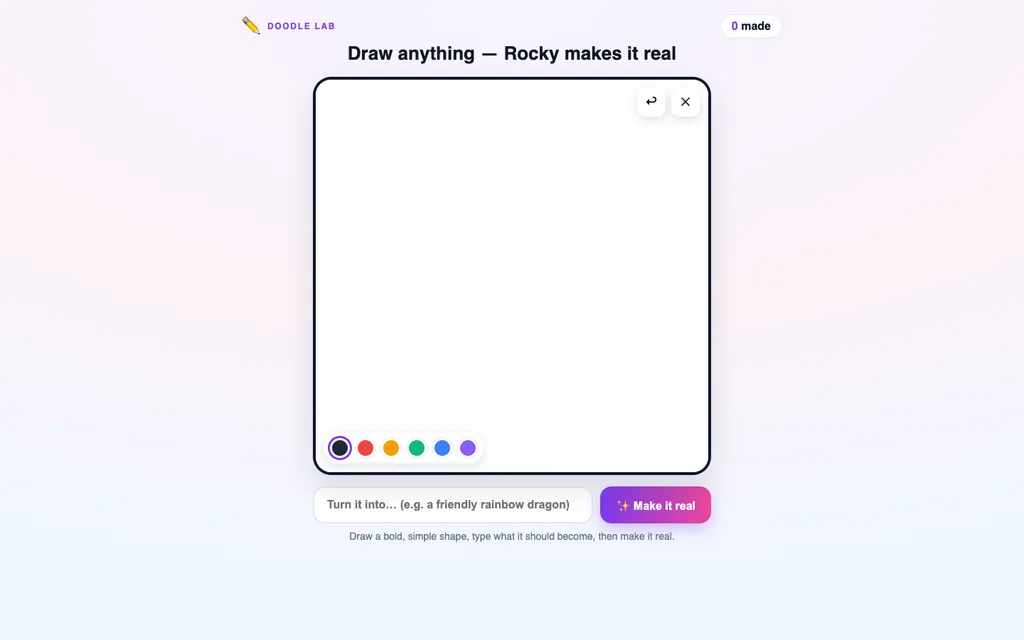 Doodle LabArt & Design · Ages 5-13
A rough sketch carries an idea; describing what it should become brings it to life.
Shape SpaceMathematics · Ages 5-10A shape keeps its identity when it turns, changes size, or appears as an everyday object; its straight sides and corners identify a 2D shape, while faces, edges, vertices, and curved surfaces identify a 3D solid.
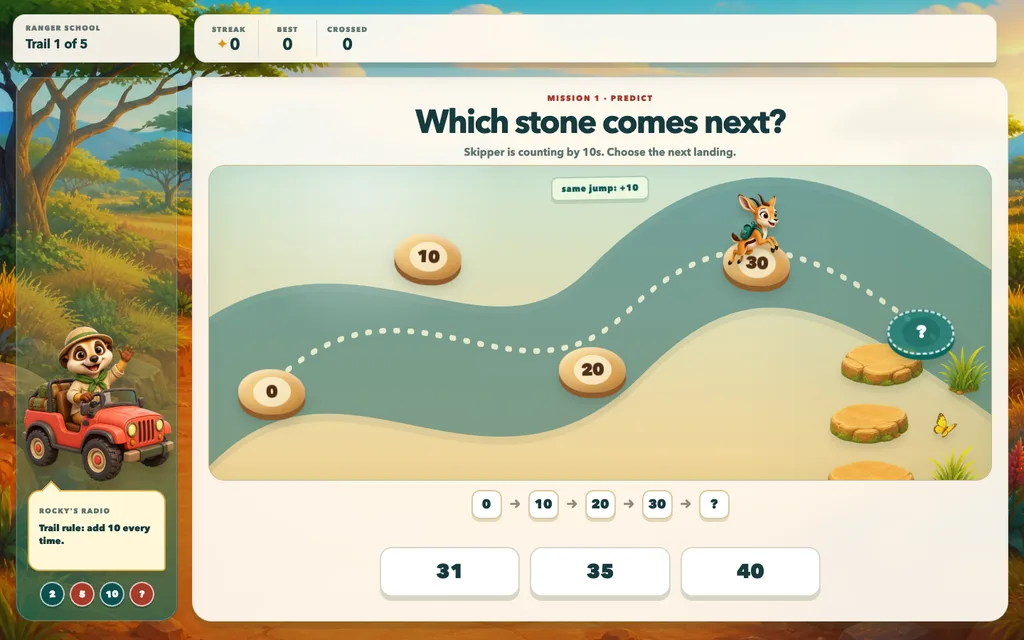 Skip Count SafariMathematics · Ages 5-9
Skip-counting makes equal jumps on the number line; each landing adds the same amount, so the number of jumps connects directly to multiplication.
Time Traveler's SuitcaseHistory · Ages 5-10Objects are historical evidence: their materials, technology, and use help us place them in broad eras from the Stone Age to today.
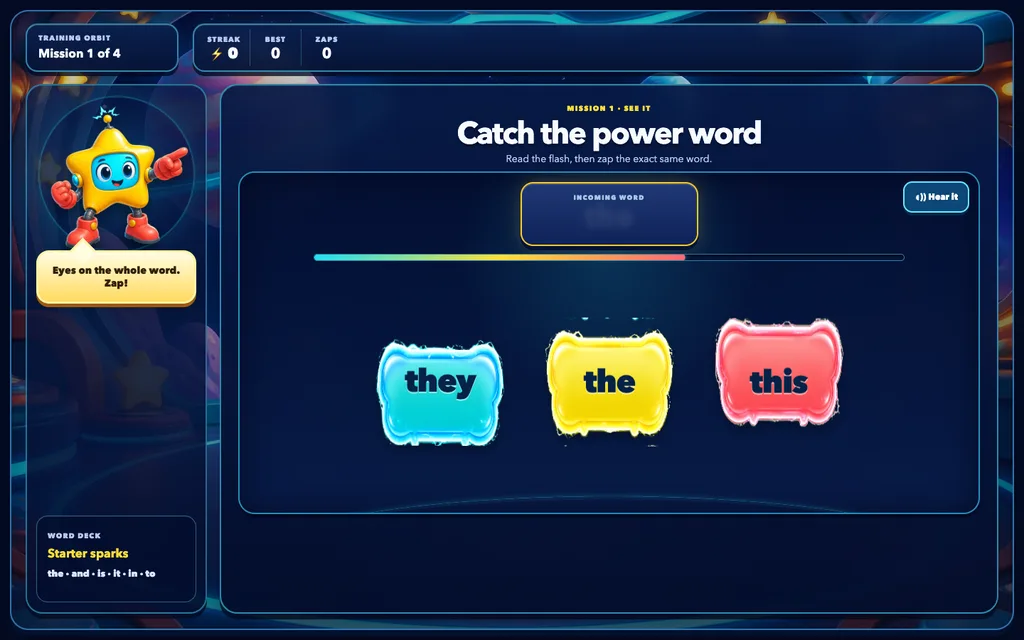 Word ZapEnglish · Ages 5-9
High-frequency words become quick to read when we recognise the whole written word, connect it to its spoken form, and practise it again after a useful gap.
Getting the most out of learning games at this age
- Let them pick the subject — a kid who chose the game fights for it.
- Short and often beats long and rare: 10-15 minutes with a real finish line.
- Ask 'show me how it works' afterwards — teaching you is the best retention test there is.
Common questions
What learning skills should 5 year olds learn?
At kindergarten age the goal is joyful firsts: counting that really works, letter sounds, patterns, and the habit of noticing. Every game here fits a 5-year-old's hands and attention span — short, chunky, and finished with a win.
Are these games free?
Every Ako lesson here runs in the browser, and your first one is completely free — no account, no card. A subscription unlocks the full catalog of 100+ lessons.
How are Ako lessons different from other learning games?
Ako — a voice AI tutor — is inside every game. He sees what your child does, asks for predictions before they act, and adapts his coaching to their age. Parents get a weekly note about what actually clicked.